

How to Find Durable Graphic Tees: A Buyer's Guide
Table of Contents
- What Makes a Graphic Tee Actually Durable
- Signs of a High-Quality Graphic Tee
- Screen Printing vs Digital Printing Durability
- How to Wash Graphic Tees Properly
- Identifying Premium Fabric and Material Quality
- Evaluating Print Longevity Before You Buy
- The Cost-Per-Wear Advantage of Quality Graphic Tees
- Conclusion
- Frequently Asked Questions
Last Updated: September 2, 2026
What Makes a Graphic Tee Actually Durable
The difference between a graphic tee that lasts three washes and one that survives 50+ comes down to three things: fabric composition, construction quality, and care. Most people skip straight to price or design without checking these fundamentals, which is why they end up disappointed.
Durability isn't one factor, it's the combination. A heavyweight cotton tee with weak seams will still fail. A perfectly stitched shirt made from thin, low-quality fabric will pill and fade. You need all the pieces working together.
Fabric composition and weight matter most
The foundation of any durable graphic tee starts with the fabric itself. Heavyweight cotton, typically 6.0 ounces per square yard (GSM) or higher, is where durability begins (peer-reviewed research). Lighter fabrics (4.5-5.5 oz) feel softer initially but break down faster due to thinner fibers prone to pilling and fading.
Ring-spun cotton is another marker of quality. This construction method twists fibers tighter during spinning, creating stronger yarn that resists pilling and holds shape better through multiple wash cycles (peer-reviewed research). Blends like 90% cotton / 10% polyester add durability and reduce shrinkage, but pure cotton tends to feel better and age more gracefully.
Construction quality determines longevity
Double-needle stitching is the standard you should seek. This means two parallel lines of thread run through seams instead of one, making them stronger and more resistant to unraveling. Single-needle seams are cheaper but fail faster, especially in high-stress areas like armholes and side seams.
The collar ribbing reveals cheap construction immediately. Quality tees have reinforced ribbing attached with multiple stitch lines. Press your thumb against the collar seam, it should feel substantial and well-secured. Hem stitching matters equally; consistent, even stitching prevents fraying and keeps the tee's shape intact.
Signs of a High-Quality Graphic Tee
You don't need to be an expert to spot quality. There are specific things you can check in person or look for in product descriptions.
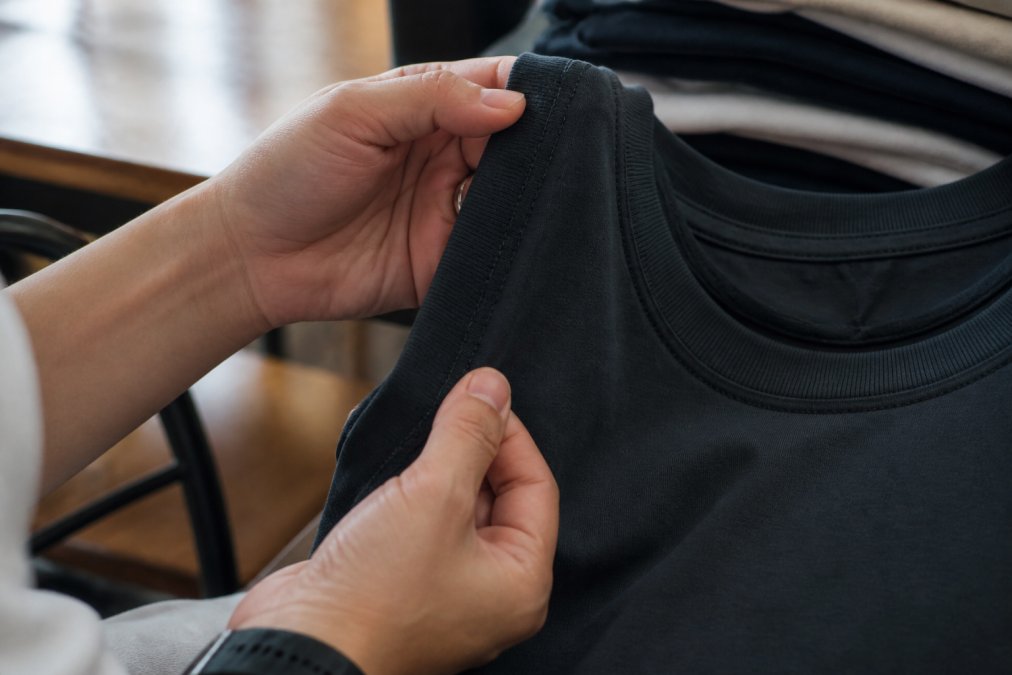
Checking seam integrity and stitching
Flip the tee inside out and run your fingers along the side seams, shoulder seams, and armhole stitching. Look for consistent, tight stitching with no gaps or loose threads. Stitch density matters, quality construction uses more stitches per inch, creating tighter, more durable seams that feel solid and don't flex when pulled gently.
Pay attention to stress points. Armholes, neckline, and side seams take the most wear and should have reinforced stitching. If these seams look thin or single-threaded, the tee will fail faster.
Evaluating collar ribbing and fit
Press your thumb against the neck seam from the inside. It should feel thick and well-structured, not thin or stretchy. Quality ribbing maintains its shape through dozens of washes. The fit itself tells you something about construction, tees graded properly for their size fit consistently and hold their shape. Check that shoulders sit right and length is proportional to width.
Screen Printing vs Digital Printing Durability
The print technique has a massive impact on how long the design actually lasts.
Screen printing for long-term wear
Screen printing is the gold standard for durability. Ink is pushed through a mesh screen directly onto the fabric, creating a thick layer of pigment that bonds with the fibers. Screen-printed tees can handle hundreds of wash cycles without significant fading or peeling because the ink becomes part of the fabric rather than sitting on top of it.
The trade-off is that screen printing works best for simpler designs with fewer colors. For solid-color or limited-color designs, screen printing is unbeatable for longevity.
Direct-to-garment printing and its limits
Direct-to-garment (DTG) printing sprays ink directly onto the fabric like an inkjet printer, allowing unlimited colors and photorealistic designs. However, DTG prints sit on the surface rather than bonding deeply with fibers. After 20-30 wash cycles, you'll see fading, cracking, or peeling. The print doesn't handle stretching well either.
DTG works fine for tees worn a few times for specific events. For graphic tees meant to last years, screen printing is more reliable. Hot Takes Designs uses vibrant, long-lasting prints to ensure you look incredible and feel comfortable.
How to Wash Graphic Tees Properly
You can buy the most durable tee in the world and destroy it with improper washing.
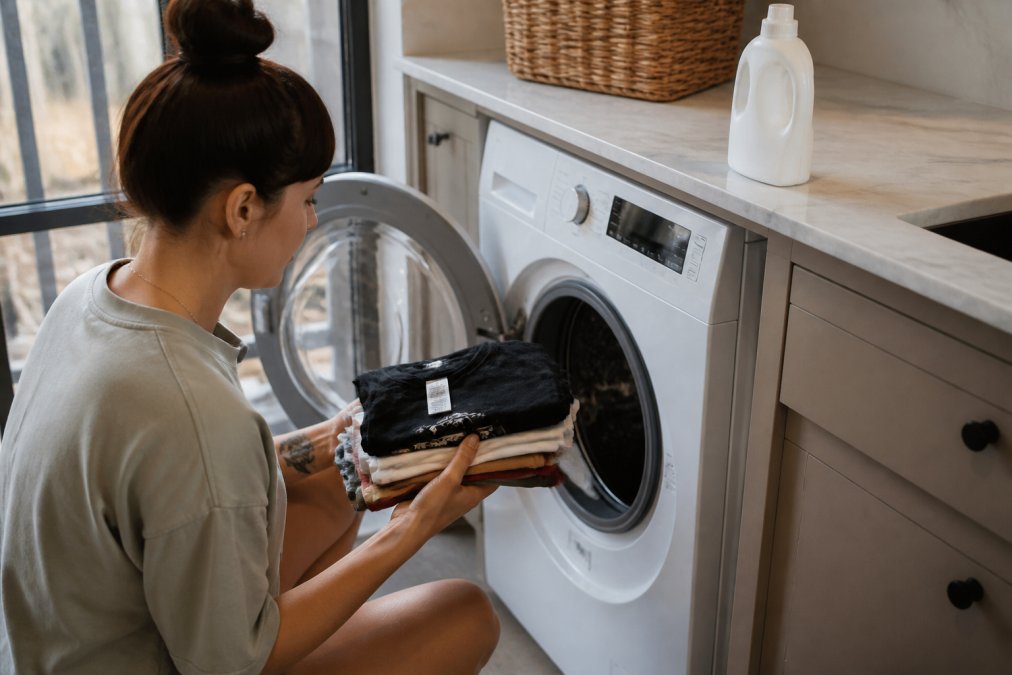
Temperature, cycles, and detergent choices
Cold water is non-negotiable for graphic tees. Hot water breaks down dyes faster and weakens fabric fibers (the CDC). Use a gentle or delicate cycle, heavy-duty cycles create more agitation, accelerating wear on seams and causing pilling.
Use mild, dye-safe detergent and avoid fabric softeners, which coat the fabric and reduce breathability. Turn the tee inside out before washing to protect the print from direct friction with other clothes and the washing machine drum.
Drying methods that prevent fading
Air-drying is always better than machine drying. Heat from the dryer fades colors and can cause shrinkage. Hang-dry in indirect sunlight or shade to prevent color fading. If you must use a dryer, use the lowest heat setting and remove the tee while still slightly damp.
Fold tees carefully when storing. Hanging can stretch shoulders over time, especially when wet. Store in a cool, dry place away from direct light.
Identifying Premium Fabric and Material Quality
Not all fabrics are labeled the same way. Here's how to identify actually premium fabric.
Heavyweight cotton and ring-spun construction
GSM (grams per square meter) is the standard measurement for fabric weight. A durable graphic tee starts at 6.0 GSM. Ring-spun cotton is worth seeking out, the spinning process creates stronger yarn and tighter, more durable fabric. Combed cotton removes short fibers and impurities, leaving only the strongest fibers, making it softer, stronger, and less prone to pilling.
GSM ratings and what they mean
- Lightweight (4.0-5.5 GSM): Thin, breathable, but wears out faster.
- Mid-weight (5.5-6.5 GSM): The sweet spot for most uses, durable enough for regular wear while feeling comfortable.
- Heavyweight (6.5-7.5+ GSM): Premium durability with exceptional shape retention, though slightly less breathable.
When comparing tees, GSM is more reliable than price alone.
Evaluating Print Longevity Before You Buy
Before you buy, check specific things to predict how long the print will actually last.
Testing print adhesion and tensile strength
If buying in person, gently scratch the printed area with your fingernail. Quality prints won't flake or peel. Look at print edges, sharp, clean edges indicate precise application and proper pressure. Flex the printed area gently; it should flex with the fabric without cracking.
For online purchases, check product photos carefully for close-up images of the print. Quality brands are happy to show off their print work.
Assessing fading resistance and color vibrancy
Ask about ink type. Water-based inks are eco-friendly but fade faster. Plastisol inks are more durable and resistant to fading. Color choice affects longevity too, lighter colors fade more noticeably than darker colors. Check customer reviews specifically for print durability; brands with quality prints usually have customers praising durability months or years later.
The Cost-Per-Wear Advantage of Quality Graphic Tees
A cheap tee lasting 10 wears costs $1.20 per wear at $12. A $35 tee lasting 100+ washes costs $0.35 per wear. The expensive tee is actually cheaper over time.
Quality durable graphic tees hold their shape and color longer, meaning you're more likely to keep wearing them. Cheap tees get relegated to pajamas or yard work after they start looking worn. Quality tees stay wearable and looking good for years.
When shopping, factor durability into your decision. A premium tee using heavyweight fabric, quality construction, and a durable print method will serve you better long-term than three cheap tees that fall apart.
Conclusion
Finding a durable graphic tee comes down to checking three things: fabric weight and composition, construction quality, and print method. Heavyweight cotton with ring-spun construction, double-needle stitching, and a durable print method creates tees that last through years of wear.
At Hot Takes Designs, every piece is made to order using ultra-soft fabrics and vibrant, long-lasting prints to ensure you look incredible and feel comfortable. Whether you're grabbing a K-Pop concert fit or a BookTok-inspired design, you're getting a tee made to last. View all and find your next favorite piece.
Frequently Asked Questions
What fabric weight is best for durable graphic tees?
Heavyweight graphic tees, typically 6.0 ounces or higher GSM (grams per square meter), resist pilling and maintain their shape longer than lightweight options. Ring-spun cotton construction adds softness while improving durability. Look for tees labeled as heavyweight or premium cotton to ensure they'll hold up through multiple wash cycles without thinning out or losing their soft-hand feel.
Do screen printed shirts last longer than digital prints?
Screen printing generally offers superior durability and longevity compared to direct-to-garment printing. Screen-printed designs bond into the fabric fibers through heat curing, creating prints that resist cracking and fading through dozens of wash cycles. Digital prints sit on the fabric surface and are more prone to peeling after repeated washing. For maximum print longevity, choose screen-printed graphic tees.
How can you tell if a t-shirt is high quality?
Examine the seam integrity by checking for double-needle stitching along the sides and sleeves, which prevents unraveling. Feel the fabric weight and texture, premium tees have substantial, soft-hand feel without being stiff. Look at the collar ribbing; quality tees have reinforced ribbing that resists stretching. Check the print adhesion by gently rubbing the design; it should feel smooth and bonded, not cracked or peeling.
How do you prevent graphic tee prints from cracking?
Wash graphic tees inside-out in cold water using gentle cycles to minimize friction on the print. Avoid high heat in the dryer; air-dry or use low heat instead. Use mild detergent and skip bleach and fabric softeners, which weaken print adhesion. Limit wash frequency by spot-cleaning stains when possible. These practices preserve print integrity and extend the life of your graphic tees significantly.
This article was written using GrandRanker