

What Fabrics Make the Most Durable Streetwear Tees?
Last Updated: October 26, 2026
Quick Summary
The best fabrics for durable streetwear tees are mid-weight to heavyweight cotton (180-210 GSM minimum) made from combed or ring-spun fibers, paired with tight knit construction and proper finishing. Combed cotton outperforms standard cotton in pilling resistance, while cotton-dominant blends (90/10 to 80/20) add shape retention without sacrificing breathability.
- Mid-weight 180-210 GSM cotton offers the working sweet spot for everyday streetwear with a realistic 2-4 year lifespan.
- Combed cotton resists pilling better than ring-spun and is ideal if you wear a tee 3+ times per week.
- Tight knit gauge and long-staple yarn matter as much as GSM weight for predicting durability.
- DTF printing performs best on tightly woven 180-210 GSM fabrics, while screen printing requires 200+ GSM for maximum durability.
- Hang drying and cold water washing preserve fabric and print longevity far better than high heat.
Table of Contents
- What Makes a Streetwear Tee Actually Durable?
- Fabric Weight and T-Shirt Fabric GSM Guide
- Ring-Spun Cotton vs Combed Cotton: Which Lasts Longer?
- Cotton Polyester Blend T-Shirt Performance
- Best Fabric for Printed T-Shirts: DTF and Screen Print Durability
- Care Practices That Extend Tee Lifespan
- Build Your Durable Streetwear Tee Collection
- Frequently Asked Questions
What Makes a Streetwear Tee Actually Durable?
Durability in streetwear tees comes down to three factors: fabric quality, construction method, and print longevity through repeated washing. The best fabrics for durable streetwear tees aren't about thread count or fiber type alone, but how those fibers are processed, twisted, and woven to resist pilling, fading, and wear.
Streetwear demands a different standard than casual basics. Your tee needs to survive concert venues, repeated styling, and constant wear of your favorite fandom design, which means understanding fabric weight, yarn quality, and print technology, not just picking whatever feels nice in the store.
Fabric Weight and T-Shirt Fabric GSM Guide
Fabric weight, measured in GSM (grams per square meter), is the most useful starting predictor of how a tee will wear, but not a standalone measure of quality. Two tees at the same GSM can diverge sharply depending on knit structure, yarn quality, and finishing.
Here is the practical breakdown for streetwear tees:
- Lightweight (130-150 GSM): Thin, breathable, and airy. These pill easily and lose shape, best as summer basics or layering pieces, with visible wear within 6-12 months of regular rotation.
- Mid-weight (180-210 GSM): The working sweet spot for most streetwear, structured drape, years of regular wear, all-day comfort. This is the baseline most durable-tee shoppers should target.
- Heavyweight (250+ GSM): Delivers the structured, vintage, oversized look. It resists abrasion and holds its silhouette, but can feel stiff and trap heat. A 4+ year lifespan is realistic when construction is sound.
| GSM Weight | Feel | Durability | Best For | Realistic Lifespan |
|---|---|---|---|---|
| 130-150 GSM | Light, airy | Low (pills easily) | Summer basics, layering | 6-12 months |
| 180-210 GSM | Balanced, structured | High | Everyday streetwear | 2-4 years |
| 250+ GSM | Heavy, substantial | Very high | Vintage/oversized looks | 4+ years |
Why GSM Alone Doesn't Predict Longevity
Weight tells you density, not integrity. A 260 GSM tee knit from short-staple yarn at a loose gauge will still pill and twist; a 180 GSM tee from long-staple combed cotton at a tight gauge can outlast it. Three construction variables matter as much as weight:
- Knit structure and gauge. Single-jersey is the standard tee knit. A tighter gauge (more needles per inch) produces a denser, smoother surface that resists pilling and print cracking. Looser gauges feel airy but abrade faster.
- Yarn type and staple length. Long-staple fibers (combed or ring-spun) create stronger, smoother yarns with fewer protruding fiber ends, the ends that turn into pills. Short-staple open-end yarns are cheaper but pill and shed faster.
- Finishing and compaction. Pre-shrunk or compacted fabrics resist shrinkage and torque (the twisting of the side seam after washing). Unfinished fabrics may shrink noticeably on the first wash and skew over time.
How to Compare Fabrics on Evidence, Not Claims
You can evaluate tee durability through measurable tests, ask brands for this data or run simplified versions yourself:
- Abrasion resistance: Lab tests like the Martindale method rub fabric against an abrasive surface and count cycles until wear-through. Higher counts mean better resistance to friction from bags, seats, and washing.
- Pilling resistance: Tests rate pilling on a visual scale after controlled abrasion. A high rating means fewer fuzz balls across the chest and underarms.
- Shrinkage: Compare garment measurements before and after a standard wash-and-dry cycle. Well-finished cotton should stay within a small percentage; loosely finished fabric can shrink several times more.
- Colorfastness: Tests measure how much dye transfers to a white swatch or fades after laundering and light exposure, critical for dark streetwear colorways.
- Seam strength: Pull tests on side seams, shoulder seams, and hems reveal whether stitching or fabric fails first. Reinforced shoulder-to-shoulder taping and double-needle hems are common durability markers.
Matching GSM to Use Case
Weight should follow intended use. For hot climates and layering, 150-180 GSM with tight construction beats a heavy tee. For oversized silhouettes, 250+ GSM provides the structure that makes the fit read correctly. For print-heavy designs, mid-weight 180-210 GSM with a tight weave gives DTF and screen-print ink a stable surface to bond to.
Aim for 180 GSM minimum for everyday durable streetwear, then verify construction quality before assuming weight equals longevity. The DWAEKKI Vintage Oversized Tee from Hot Takes Designs uses 260 GSM combed cotton.
Ring-Spun Cotton vs Combed Cotton: Which Lasts Longer?
Both ring-spun and combed cotton beat standard cotton, but achieve durability through different methods.
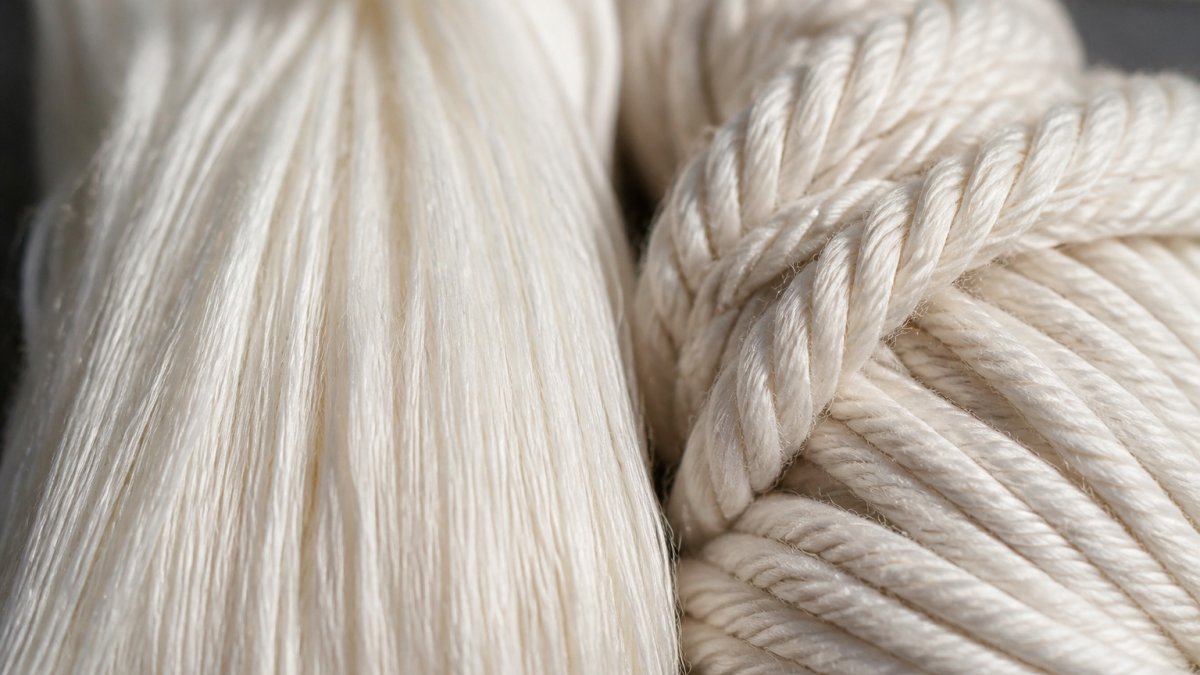
Ring-spun cotton twists individual fibers on a ring-spinning frame, creating tighter, stronger yarn than conventional methods.
Combed cotton goes further: fibers are combed to remove short strands and impurities before spinning, leaving only the longest, strongest fibers. The result is smoother, more durable yarn that resists pilling better than ring-spun and feels softer against the skin.
The DWAEKKI tee uses 100% combed cotton at 260 GSM.
Best for: Combed cotton is ideal if you're wearing the tee 3+ times per week. Ring-spun works fine for occasional wear.
Skip if: You're looking for the absolute cheapest option. Standard cotton is cheaper upfront but won't last.
Cotton Polyester Blend T-Shirt Performance
Pure cotton dominates streetwear, but cotton-polyester blends deserve a clear-eyed look, blend ratio, not just fiber presence, determines performance. A 90/10 behaves very differently from a 50/50 or 60/40, and treating "blend" as one category leads to the wrong purchase.
What Each Ratio Actually Does
- 90/10 to 80/20 cotton-dominant blends: These keep most of cotton's hand feel and breathability while adding a small amount of polyester for improved shape retention and reduced shrinkage, a low-risk upgrade for cotton comfort with better wash-and-wear performance.
- 60/40 to 50/50 blends: The polyester share becomes structural. These resist wrinkling, dry faster, and hold their fit longer than pure cotton. The trade-off is breathability and softness, some wearers find them clammy in heat.
- Polyester-dominant (60/40 or 70/30 poly-cotton): Maximum wrinkle resistance and shape retention, often with faster drying. Comfort and breathability suffer most here, so reserve these for specific use cases rather than everyday wear.
The Durability Trade-Offs, Stated Plainly
Blends outperform pure cotton in a few measurable ways:
- Shrinkage control: Polyester fibers do not absorb water and swell the way cotton does, so blended tees typically shrink less and hold measurements through repeated washing.
- Shape retention: The synthetic component resists stretching at the neckline, shoulders, and hem, which is why blended tees often keep their fit longer.
- Print adhesion: Polyester helps many inks, especially DTF, bond and resist cracking, because the film adheres well to synthetic surfaces. This is a real advantage for print-heavy streetwear.
But blends also carry costs that pure cotton avoids:
- Breathability: Cotton wicks and breathes; polyester traps heat and odor more readily. For hot climates or high-activity wear, a high-poly blend can feel worse than a mid-weight cotton tee.
- Pilling behavior: Blends can pill differently than pure cotton, synthetic fibers can ball up and hold pills longer because they do not break away as natural fibers do.
- End-of-life: Blended fabrics are harder to recycle than mono-material cotton or polyester, which matters if you care about the sustainability trade-off alongside durability.
Matching Blends to Use Case
Blends make sense when their strengths match how the tee will be worn:
- Travel and concert wear: Wrinkle resistance and fast drying matter more than breathability. A 60/40 or 50/50 blend packed in a bag and pulled out looking sharp is a genuine advantage.
- Print durability priority: If a design must survive repeated washing without cracking, a blend paired with DTF printing is often the more durable choice than pure cotton.
- Hot climates and everyday comfort: Cotton-dominant blends (90/10, 80/20) or pure combed cotton remain better picks; high-poly blends can feel uncomfortable.
The BTS ARMY BT21 Hooligan tee uses a 180 GSM Sorona polyester blend, leaning into the wrinkle-resistance and shape-retention strengths that suit concert and travel use. For breathability and softness, pure combed cotton remains the stronger everyday choice, the right answer depends on which durability dimension matters most to you.
Best Fabric for Printed T-Shirts: DTF and Screen Print Durability
The printing method matters as much as the fabric, a premium fabric paired with poor printing technique will disappoint.
Direct-to-film (DTF) printing fuses ink into fabric fibers, creating vibrant multi-color designs that resist fading and cracking. DTF works on cotton and blends but performs best on tightly woven, medium-weight fabrics (180-210 GSM), the tight weave gives ink something to grip, while loose, lightweight fabrics crack prematurely.
Screen printing sits ink on top of the fabric rather than fusing it in. Learn about Hot Takes Designs' printing process and fabric specifications Heavier cotton (200+ GSM) creates more durable prints because thick fabric provides structural support and better ink bonding; lightweight cotton flexes more, cracking designs faster.
BTS ARMY BT21 Hooligan Men's Casual T-Shirt – Premium All-Over Print Sorona →
Direct to Garment vs Screen Printing Durability guide
The Stray Kids SKZOO tee uses double-sided DTF printing on 180 GSM 100% cotton, with a design on the front and back.
Watch out: Avoid thin, loosely woven fabrics with DTF printing. The ink won't adhere properly, and you'll see cracking within 5-10 washes.
For maximum print durability, pair heavyweight cotton (200+ GSM) with either DTF or screen printing. This combination resists fading, cracking, and peeling better than any other option.
Care Practices That Extend Tee Lifespan
Even the best fabric and printing deteriorate without proper care.
Machine wash cold with like colors.
Avoid soaking tees for extended periods, it weakens fibers and can cause dye bleeding.
Dry low or hang dry. Learn how to remove stains from graphic tees without damaging the print High heat shrinks fabric and damages prints, repeated high-heat drying is the primary reason tees shrink and prints crack.
How to Remove Stains From Graphic Tees Without Damaging Print
Store tees folded, not hung. Hanging stretches the shoulders and neckline over time, especially for heavier tees.
Best for: Anyone who wants their streetwear tees to last 3+ years. These practices work for all fabric types.
Skip if: You're planning to replace tees frequently anyway. Standard care is fine for disposable wear.
Build Your Durable Streetwear Tee Collection
Most people buy the wrong tees because they chase trends instead of durability. Here's how to build smarter.
Start with 180-210 GSM as your baseline, durable without feeling stiff or uncomfortable.
Quality & Durability: Our Printing Process, Fabric Specs & Care Guide
The BT21 Hooligan tee uses 180 GSM Sorona blend.
Best for: Anyone building a core streetwear wardrobe that actually lasts beyond one season.
Skip if: You're treating tees as disposable and replacing them frequently anyway.
Frequently Asked Questions
What GSM weight is best for durable streetwear tees?
The DWAEKKI Vintage Oversized Tee uses 260gsm combed cotton.
Does a cotton-polyester blend last longer than 100% cotton?
The BTS ARMY BT21 Hooligan tee uses a 180gsm Sorona polyester blend.
What fabric holds screen prints and DTF prints best?
The Stray Kids SKZOO Double-Sided DTF tee uses 180gsm 100% cotton.
How can you keep graphic tees from fading or shrinking?
Wash inside out in cold water under 45°C (113°F) with like colors to prevent color bleeding and fading. Avoid bleach and extended soaking. Tumble dry on low or hang dry to preserve print integrity and prevent shrinkage. Pre-shrunk fabrics like those in Hot Takes Designs tees minimize size loss, but proper care extends lifespan significantly, tees cared for this way maintain color and fit for years.
Choosing the right fabric for durable streetwear tees means balancing weight, fiber quality, and printing method. Start with 180+ GSM, prioritize combed cotton when possible, and match your printing method to your design. Pair that foundation with proper care, and your favorite tees will stay vibrant and comfortable for years. View all Hot Takes Designs pieces and find the durable streetwear tee that becomes your new daily uniform.
