

Shop Sustainable Clothing by Aesthetic
Table of Contents
- Why Aesthetic Matters When Shopping Sustainable
- How to Identify Greenwashing in Fashion
- Identifying Sustainable Materials That Fit Your Style
- Finding Sustainable Streetwear Brands That Match Your Vibe
- Building a Capsule Wardrobe Aesthetic Guide
- Shopping Second-Hand and Vintage for Your Aesthetic
- Sustainable Fabric Care by Aesthetic
- Frequently Asked Questions
Last Updated: September 29, 2026
Why Aesthetic Matters When Shopping Sustainable
Sustainability and personal style used to feel like opposing forces, but a strong sustainable clothing aesthetic changes everything. You'd sacrifice the look you actually wanted for the "ethical" choice. But here's the truth: when your sustainable clothing aesthetic doesn't match who you are, you won't wear it. And clothes unworn are clothes wasted.
The connection runs deeper than preference. Garments you love get worn more often. Worn more often means they last longer. Longer-lasting pieces reduce the need for constant replacements, which cuts textile waste and your overall environmental footprint. This is the real math of sustainable fashion: alignment between your aesthetic and your values extends garment life cycles naturally.
At Hot Takes Designs, we've built our entire approach around this principle. Custom-printed apparel, including K-Pop concert fits, BookTok-inspired styles, and snarky graphic tees, means pieces you'll reach for repeatedly, not items that sit in your closet collecting dust. When your edgy graphic tee or fandom-inspired fit reflects who you are, durability follows.
The sections below show you how to find sustainable clothing that doesn't compromise on how you want to look.
How to Identify Greenwashing in Fashion
Greenwashing is everywhere. A brand slaps "eco-friendly" on a polyester shirt made in a factory with questionable labor practices, and suddenly it feels sustainable. It's not.
Real sustainability requires transparency. Greenwashing hides it. Here's what to watch for:
- Vague language: Words like "natural," "eco," or "green" without specific certifications or proof. Legitimate sustainable brands name their certifications and link to verification.
- No supply chain info: If a company won't tell you where or how something is made, assume the worst. Transparent brands document their process.
- One green product, everything else questionable: A brand launches a "sustainable line" while the rest of their catalog remains unchanged. That's performative, not systemic.
- Misleading imagery: Photos of nature or green aesthetics paired with zero actual environmental claims. Pretty packaging isn't proof.
- No third-party verification: The brand certifies itself. Real certifications come from independent organizations, not the company making the product.
The fix is simple: demand proof. Ask for certifications. Check if they're real. Visit the certifying organization's website and verify the brand is actually listed.
Identifying Sustainable Materials That Fit Your Style
Natural vs. Synthetic Fibers for Different Aesthetics
Natural fibers aren't automatically better than synthetics, and synthetics aren't automatically worse. The truth is more nuanced, and it depends on your aesthetic and how you care for pieces.
Natural fibers like organic cotton, linen, and wool have lower environmental impact during production compared to petroleum-based synthetics. They're biodegradable, breathable, and age beautifully. For minimalist, cottagecore, or vintage aesthetics, natural fibers feel authentic to the look.
But natural fibers also wrinkle easily, shrink if you're not careful, and require more frequent washing. That washing uses water and energy, which adds environmental cost over time.
Synthetic fibers like polyester and nylon are durable, hold their shape, and require less frequent washing. For athletic, techwear, or bold graphic pieces, synthetics often deliver the aesthetic you want. The downside: they shed microplastics, take centuries to decompose, and come from fossil fuels.
The real answer isn't "pick natural" or "pick synthetic." It's pick based on:
- Your aesthetic: What actually fits your style? Wear that.
- Durability: How long will it last in your rotation? Longer wear = lower environmental cost per wearing.
- Care requirements: Can you realistically care for it the way it needs? A wool sweater you dry-clean weekly is worse than a synthetic piece you hand-wash.
Hot Takes Designs uses ultra-soft fabrics and vibrant, long-lasting prints. Our custom-printed pieces are built to last through repeated wears and washes, which matters more than the fiber type alone.
Certifications That Actually Matter
Not all certifications are equal. Some are rigorous. Others are marketing.
GOTS (Global Organic Textile Standard): Verifies organic fiber production AND ethical labor practices. This one's solid. If you see GOTS on a label, the supply chain has been audited.
Fair Trade Certified: Ensures workers are paid fairly and labor conditions meet standards. Look for this when ethical sourcing matters to you.
OEKO-TEX: Tests fabrics for harmful chemicals. Useful if you care about what touches your skin, but it doesn't address labor or environmental impact during production.
Cradle to Cradle: Evaluates the entire product lifecycle, from material sourcing through end-of-life. One of the most comprehensive certifications available.
Avoid: Certifications you've never heard of, especially ones that sound official but come from the brand itself. The Sustainable Apparel Coalition's Higg Index is a good reference for checking whether a certification is legitimate.
The pattern: real certifications come from independent third parties. They're verifiable. They cost brands money to obtain and maintain. Brands that have them usually advertise them clearly because they're proof of commitment.
Finding Sustainable Streetwear Brands That Match Your Vibe
This is where most guides get vague. "Find brands that align with your values" sounds nice. It's not actionable.
Here's the actual process:
-
Identify your aesthetic first. Are you minimalist, maximalist, cottagecore, goth, Y2K, athletic, editorial? Be specific. This filters which brands will even have pieces you'd wear.

Vintage Gothic Grim Reaper Hoodie | Cloaked Skeleton & Wolves Fleece Pullover -
Search "[your aesthetic] + sustainable brands." You'll get results that actually match your style, not generic sustainable fashion lists.
-
Check their supply chain. Visit their website. Look for a "Our Story" or "Sustainability" page. Do they explain where things are made? Who makes them? What materials they use? If the page is vague or nonexistent, move on.
-
Look for certifications. The ones we listed above. If they have none and claim to be sustainable, ask why in their contact form. Their answer tells you a lot.
-
Read actual customer reviews. Not the glowing testimonials on their site. Search for reviews on independent platforms. Do people say the quality holds up? Do pieces last, or do they fall apart? That's real sustainability data.
-
Calculate cost-per-wear. A $150 piece you wear 100 times costs $1.50 per wear. A $40 piece you wear twice costs $20 per wear. The expensive piece is the sustainable choice if it actually lasts.
Hot Takes Designs stands apart because we build pieces specifically for people who want to stand out. Our custom-printed apparel is made to order using ultra-soft fabrics and vibrant, long-lasting prints. You're not buying generic inventory; you're getting pieces that match your actual fandom identity and aesthetic. That specificity means you'll wear these pieces repeatedly.
Building a Capsule Wardrobe Aesthetic Guide
A capsule wardrobe is a curated collection of pieces that work together. Not a minimalist uniform. A thoughtful selection that reflects your aesthetic and your life.
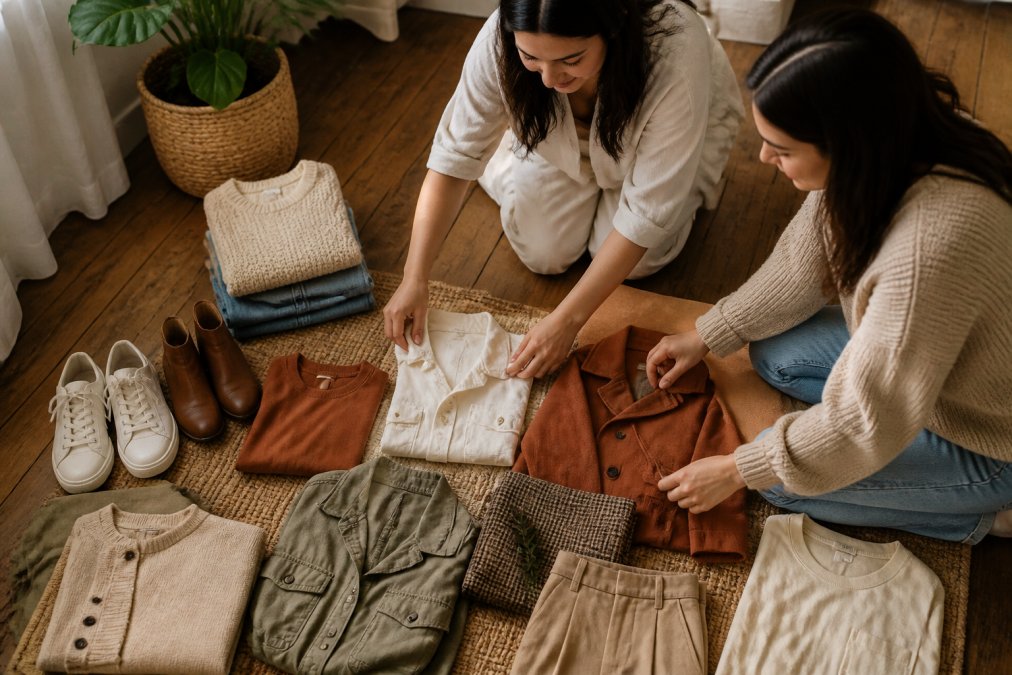
The sustainable angle: fewer pieces, worn more often, lasting longer. This is the opposite of fast fashion's "buy more, wear less" cycle.
Here's how to build one that actually works for your style:
Step 1: Choose your color palette. Pick 2-3 base colors (neutrals or jewel tones that match your aesthetic) and 2-3 accent colors. Every piece should work with this palette. This prevents buying items that don't coordinate.
Step 2: Identify gaps in your actual life. Not aspirational life. Real life. If you work in an office, you need office pieces. If you're always at concerts or events, you need pieces that work for that. Build around what you actually do.
Step 3: Invest in basics that match your aesthetic. A minimalist capsule needs clean-lined basics. A goth capsule needs structured, darker pieces. Don't buy basics that fight your style.
Step 4: Add statement pieces intentionally. These are the pieces that make your capsule feel like you. For K-Pop fans or BookTok enthusiasts, this might be a graphic tee that represents your bias or favorite book. For edgy streetwear lovers, it's pieces with attitude.
Step 5: Buy quality over quantity. One well-made piece you'll wear 50 times beats five cheap pieces you'll wear twice.
Investment Pieces vs. Fast Fashion Mentality
The difference between an investment piece and fast fashion isn't always price. It's intention.
Cost-Per-Wear and Long-Term Value
Cost-per-wear is the metric that changes how you shop.
Take a piece. Estimate how many times you'll realistically wear it per year. Multiply by how many years it'll last (be honest, will the seams hold? Will the print crack?). Divide the price by total wears.
Shopping Second-Hand and Vintage for Your Aesthetic
Second-hand shopping is the most sustainable fashion choice available. The garment already exists. You're extending its life instead of creating demand for new production.
Sustainable Fabric Care by Aesthetic
How you care for clothes matters as much as how you buy them. Proper care extends garment life, which is the core of sustainable fashion.
But care routines vary by fabric and aesthetic.
Frequently Asked Questions
What is the most sustainable way to buy sustainable clothing by aesthetic?
Start by defining your personal aesthetic, then research brands that align with both your style and values. Prioritize investment pieces made from certified sustainable materials over quantity. Calculate cost-per-wear to justify higher upfront prices. Mix new sustainable purchases with second-hand vintage finds that match your aesthetic. Focus on garment longevity by choosing timeless designs you'll actually wear repeatedly, and learn proper fabric care to extend clothing lifespan.
How do I identify greenwashing when shopping for aesthetic clothing?
Watch for vague claims like 'eco-friendly' or 'natural' without specific certifications. Greenwashing brands avoid transparency about their supply chain and labor practices. Check for third-party certifications like Fair Trade, GOTS (Global Organic Textile Standard), or OEKO-TEX. Research the brand's manufacturing location and labor policies. Be skeptical of brands that suddenly launch a 'sustainable' line without changing their core production methods. Genuine sustainable brands openly discuss their environmental impact and limitations.
Can I build a trendy capsule wardrobe while staying eco-conscious?
Absolutely. A capsule wardrobe aesthetic guide starts by identifying timeless pieces in your preferred style that transcend seasonal trends. Choose quality basics in neutral colors, then add 2-3 statement pieces that reflect your aesthetic and personal identity. Invest in versatile items that mix and match across multiple outfits. Select sustainable materials and ethical brands, even if prices are higher. This approach reduces textile waste, lowers your carbon footprint, and ensures every piece serves your aesthetic vision.
What are the 7 Rs of sustainable fashion I should know?
The 7 Rs are: Refuse (say no to impulse buys that don't match your aesthetic), Reduce (buy less, choose quality over quantity), Repair (extend garment life through proper care), Reuse (wear pieces multiple ways), Repurpose (transform old items into new styles), Recycle (donate or recycle worn-out clothing), and Rot (choose biodegradable fabrics when possible). Applying these principles while shopping for sustainable clothing by aesthetic helps you build a wardrobe that's both visually cohesive and environmentally responsible.