

Is Made-to-Order Clothing Sustainable? A 2026 Guide
Table of Contents
- What Made-to-Order Clothing Actually Means
- How Made-to-Order Reduces Textile Waste and Overproduction
- Environmental Impact: Made-to-Order vs. Mass Production
- Benefits of Made-to-Order Clothing for Conscious Consumers
- Size Inclusive Sustainable Streetwear and Ethical Labor
- Cost-Per-Wear and the Wait Time Psychology
- Care, Repair, and Garment Longevity
- Conclusion
Last Updated: August 26, 2026
What Made-to-Order Clothing Actually Means
Made-to-order clothing is manufactured only after a customer places an order, rather than mass-produced in bulk and held in inventory. This differs fundamentally from fast fashion's model of predicting demand and flooding warehouses with stock that may never sell. At Hot Takes Designs, we specialize in custom-printed apparel created specifically for each customer, K-Pop concert fits, BookTok-inspired styles, and snarky graphic tees, cut, sewn, and printed to order using ultra-soft fabrics and vibrant, long-lasting prints.
You select a design, place your order, and the brand manufactures your piece during a defined production window. While bespoke tailoring has existed for centuries, made-to-order is experiencing resurgence because it directly addresses the waste and overproduction crisis plaguing modern fashion. Unlike bespoke's hand-crafted, premium pricing model, made-to-order offers design customization and selective sizing at accessible price points without the inventory waste that haunts traditional retail.
The sustainability advantage becomes clear: every piece produced has a buyer before production begins. This eliminates the guessing game that defines mass production and creates a fundamentally different relationship between consumer demand and manufacturing output.
How Made-to-Order Reduces Textile Waste and Overproduction
The fashion industry generates enormous textile waste because brands manufacture based on forecasts, not actual demand. When predictions miss, retailers are left with surplus inventory that often ends up in landfills. Made-to-order clothing eliminates this by producing only what customers have already purchased.
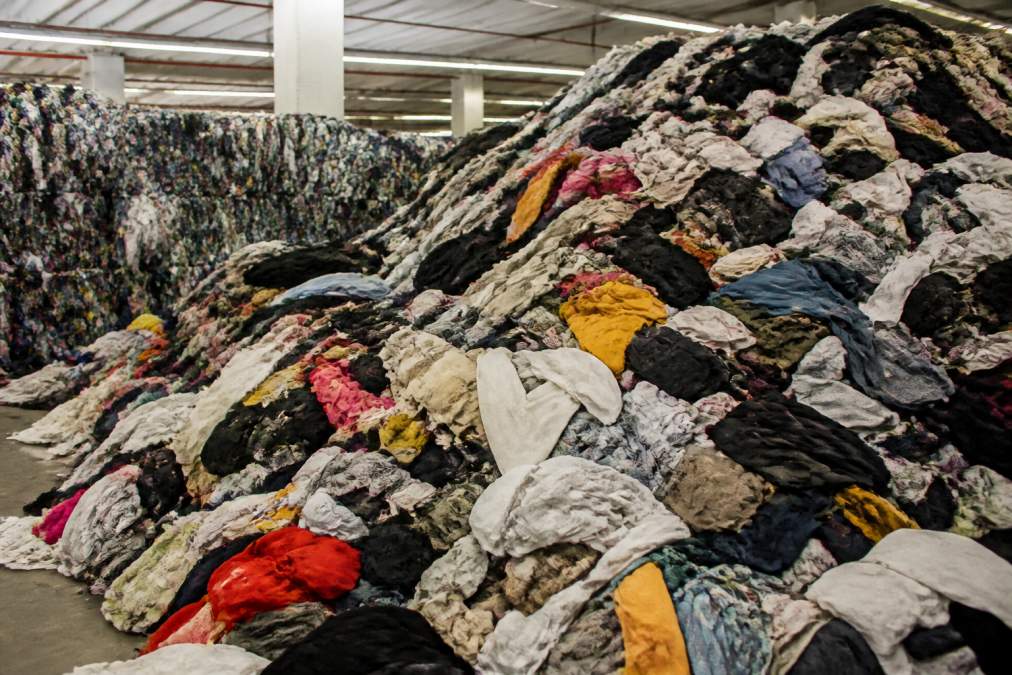
Traditional mass production operates on a push model: brands push inventory into stores hoping consumers will buy. Made-to-order operates on a pull model: consumers pull products into existence by ordering them. When a brand manufactures 10,000 units and sells 6,000, the remaining 4,000 represent pure waste, resources, labor, and materials that generated zero value.
Made-to-order also reduces pressure to manufacture in massive bulk quantities, which often means using cheaper fabrics and production methods to hit price targets. Smaller production runs allow for better material selection and more careful construction without the economies-of-scale pressure that drives down quality in fast fashion.
The carbon footprint shrinks because overproduction eliminates unnecessary transportation, storage, and disposal. A garment never manufactured never travels to a warehouse, never sits in climate-controlled storage, and never requires energy for disposal. The only environmental cost is production and delivery of pieces that actually have buyers.
Environmental Impact: Made-to-Order vs. Mass Production
The environmental comparison between made-to-order and mass production reveals significant differences across resource consumption, transportation emissions, and waste generation.
Mass production's environmental cost begins with overproduction. The average apparel item produced globally has a 40-50% chance of being discarded before reaching a consumer, either as manufacturing waste, unsold inventory, or returned merchandise (peer-reviewed research). Made-to-order eliminates this waste because production only occurs after purchase. Every yard of fabric, every hour of labor, and every unit of energy goes toward creating something a customer explicitly wants.
Manufacturing in smaller batches allows for more selective material sourcing. While small-batch production doesn't automatically mean sustainable materials, it removes the pressure to use the cheapest available options to hit economies of scale. Brands like Hot Takes Designs can prioritize ultra-soft, durable fabrics because we're not competing on per-unit cost across millions of pieces.
Transportation emissions differ significantly. Made-to-order typically ships directly from production to consumer, eliminating intermediate stops. A piece manufactured in one location and sent directly to a customer generates fewer transportation emissions than a piece manufactured, warehoused, transported to retail, and potentially returned or discarded.
Supply chain transparency also improves with made-to-order models. Smaller production runs make it easier for brands to maintain direct relationships with manufacturers and verify labor practices and environmental standards.
Benefits of Made-to-Order Clothing for Conscious Consumers
Conscious consumerism finds a natural home in made-to-order models. When you order a made-to-order piece, you're selecting a design you genuinely want and waiting for it to be created. This transforms shopping from passive consumption into active choice and reduces impulse buying.
Quality improvement follows naturally. Because made-to-order brands don't compete on massive volume, they can invest in better materials, construction techniques, and quality control. Hot Takes Designs uses vibrant, long-lasting prints and ultra-soft fabrics specifically because we're manufacturing for customers who've already decided they want the piece.
Garment longevity increases when quality improves. A shirt that costs more but lasts three times longer has a lower cost-per-wear and lower environmental impact than a cheap shirt that deteriorates after a season. Made-to-order encourages this thinking because customers are more invested in pieces they've specifically ordered and waited for.
Supply chain transparency becomes feasible at smaller scales. Made-to-order brands working with smaller production runs can maintain direct relationships with manufacturers and verify labor practices, material sourcing, and environmental compliance. Mass producers working with thousands of suppliers at enormous volumes struggle to maintain this transparency.
Size Inclusive Sustainable Streetwear and Ethical Labor
Size inclusivity and ethical labor practices are intertwined in made-to-order models because smaller production runs make it economically feasible to offer extended sizing without the inventory risk that discourages mass producers.
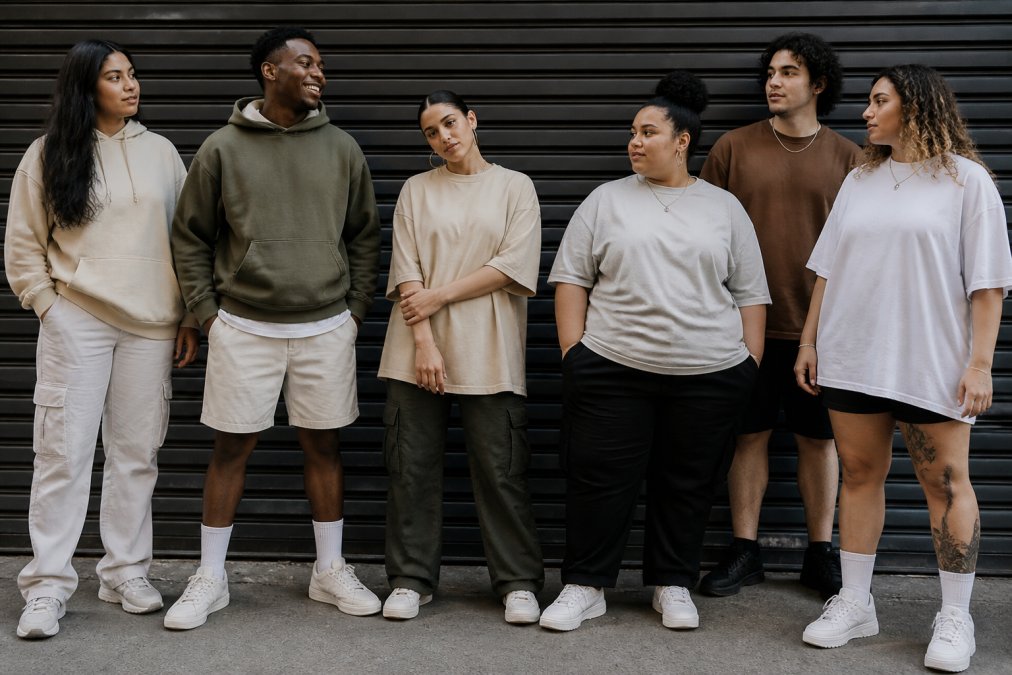
Mass production creates perverse incentives around sizing. Brands must predict which sizes will sell best and manufacture accordingly. Extended sizes are often seen as financial risks because they represent smaller volume and higher per-unit costs. Made-to-order eliminates this pressure. A customer ordering a 2XL isn't taking inventory risk, they're an actual order. Hot Takes Designs offers sizes from 2XS to 6XL across our entire collection because our production model doesn't penalize extended sizes.
The ethical labor component improves because smaller production runs allow for direct manufacturer relationships and quality oversight. Made-to-order brands working with fewer, smaller production runs can maintain closer relationships with manufacturers and verify that workers are paid fairly, working in safe conditions, and not subjected to labor abuses common in fast fashion.
Small-batch production also means less pressure on workers to meet unrealistic deadlines. The fast fashion industry's demand for rapid turnaround creates conditions where workers are pushed to work excessive hours. Made-to-order's longer production timelines allow for more humane working conditions.
Cost-Per-Wear and the Wait Time Psychology
Cost-per-wear divides a garment's price by the number of times you wear it. A $50 shirt worn 100 times costs $0.50 per wear. Made-to-order clothing typically has higher upfront prices than mass-produced alternatives, but the cost-per-wear calculation often favors made-to-order because of superior quality and longevity.
The wait time, typically 2-4 weeks between order and delivery, creates friction that forces deliberation about whether you genuinely want the piece (the FTC). Research shows that purchase deliberation increases satisfaction and reduces buyer's remorse (peer-reviewed research). When you wait weeks for a piece you've already paid for, you're more likely to style it intentionally and wear it repeatedly.
The wait time also creates scarcity psychology. Because made-to-order pieces aren't mass-produced, you know your design might not be available next season. This increases perceived value and reduces the throwaway mentality that defines fast fashion. Each purchase requires deliberation, payment, and patience, which naturally limits consumption to pieces you genuinely want.
A $35 mass-produced shirt worn 5 times costs $7 per wear. A $65 made-to-order shirt worn 50 times costs $1.30 per wear. The made-to-order piece costs significantly less per wear despite the higher upfront price and generates less environmental impact.
Care, Repair, and Garment Longevity
Made-to-order clothing's environmental advantage extends beyond production into the use and end-of-life phases. Garments designed for durability last longer, reducing replacement frequency and total environmental impact over a garment's lifecycle.
Quality construction directly impacts longevity. Mass-produced fast fashion prioritizes low cost, which means shortcuts in stitching, fabric weight, and seam reinforcement. Made-to-order brands that use ultra-soft, durable fabrics and careful construction create pieces that withstand repeated washing and wearing.
The psychological investment in a made-to-order piece also encourages better care. You've waited weeks for this garment and paid more than you would for a mass-produced alternative. You're more likely to follow care instructions and repair minor damage rather than discard it.
Repair culture is easier to maintain with made-to-order pieces because the original manufacturer often has incentive to support customers long-term. A brand that manufactures pieces specifically for individual customers has a relationship that extends beyond the initial purchase.
Garment longevity is ultimately the most important sustainability metric. A piece that lasts five years has one-fifth the environmental impact per year of a piece that lasts one year. Made-to-order's emphasis on quality directly translates to extended garment lifespans and reduced total environmental impact.
Conclusion
Made-to-order clothing is fundamentally sustainable because it eliminates the overproduction and waste inherent in mass production. By manufacturing only pieces customers have already ordered, this model prevents the deadstock, inventory surplus, and disposal waste that define fast fashion. The environmental benefits extend across resource consumption, transportation, labor practices, and garment longevity.
At Hot Takes Designs, we've built our entire operation around this model. Every custom-printed piece is made to order using ultra-soft fabrics and vibrant, long-lasting prints. We offer size-inclusive sizing from 2XS to 6XL because our production model makes extended sizes economically viable. We maintain direct oversight of manufacturing to ensure ethical labor practices and quality control.
If you're ready to shift from fast fashion's throwaway cycle to clothing that actually lasts, view all our made-to-order collection. Choose designs that genuinely represent your fandom identity, wait for them to be created specifically for you, and wear them confidently knowing they were manufactured with intention rather than impulse.
Frequently Asked Questions
Does made-to-order clothing actually reduce textile waste compared to fast fashion?
Yes. Made-to-order production eliminates deadstock fabric and inventory surplus because items are manufactured only after purchase. Fast fashion generates massive textile waste through overproduction, brands produce excess inventory to meet unpredictable demand, and unsold garments end up in landfills. Small-batch production means each piece is created with purpose, directly addressing the overproduction problem that drives the fast fashion cycle.
What are the main benefits of made-to-order clothing for sustainable fashion?
Made-to-order clothing supports conscious consumerism by reducing waste, enabling custom sizing for better fit and longevity, and often supporting ethical labor practices in small-batch production. It also improves cost-per-wear since garments last longer and fit better, reducing the urge to replace worn items. Additionally, made-to-order models create supply chain transparency, allowing consumers to understand where and how their clothing is made.
Is size inclusive sustainable streetwear actually better for the environment?
Size-inclusive production, especially in made-to-order formats, reduces waste because each garment is cut to specification rather than mass-produced in limited sizes. When clothing fits properly across all sizes, it lasts longer and requires fewer replacements, lowering overall environmental impact. Custom sizing also reduces the likelihood of returns and exchanges, which generate additional carbon footprints through shipping and reprocessing.
How long does made-to-order clothing take, and is the wait worth it?
Production timelines vary by brand but typically range from 1-4 weeks depending on complexity and order volume. The wait time psychology matters: anticipation increases attachment to the piece, encouraging longer wear and care. This emotional investment often results in garments being kept longer and treated better, which amplifies sustainability benefits. Plan ahead for events, and communicate directly with your maker about deadlines to ensure timely delivery.
This article was written using GrandRanker