

Ethical Brands Like Bookish Aesthetic Shops
Table of Contents
- What Defines Ethical Brands in the Bookish Aesthetic Space
- How to Verify Ethical Fashion Claims and Spot Greenwashing
- Sustainable Bookish Clothing: Materials That Matter
- Slow Fashion Alternatives for Fandom Apparel
- Ethical Brands Similar to Bookish Aesthetic Shops: A Comparison
- The Second-Hand and Circular Economy Route
- Care and Longevity: Making Ethical Apparel Last
- Frequently Asked Questions
Last Updated: September 24, 2026
What Defines Ethical Brands in the Bookish Aesthetic Space
When you're shopping for apparel that matches your BookTok obsession or fandom identity, understanding ethical brands bookish aesthetic means more than just feeling good about your purchase. It's about supply chain transparency, fair labor practices, and environmental responsibility woven into every thread.
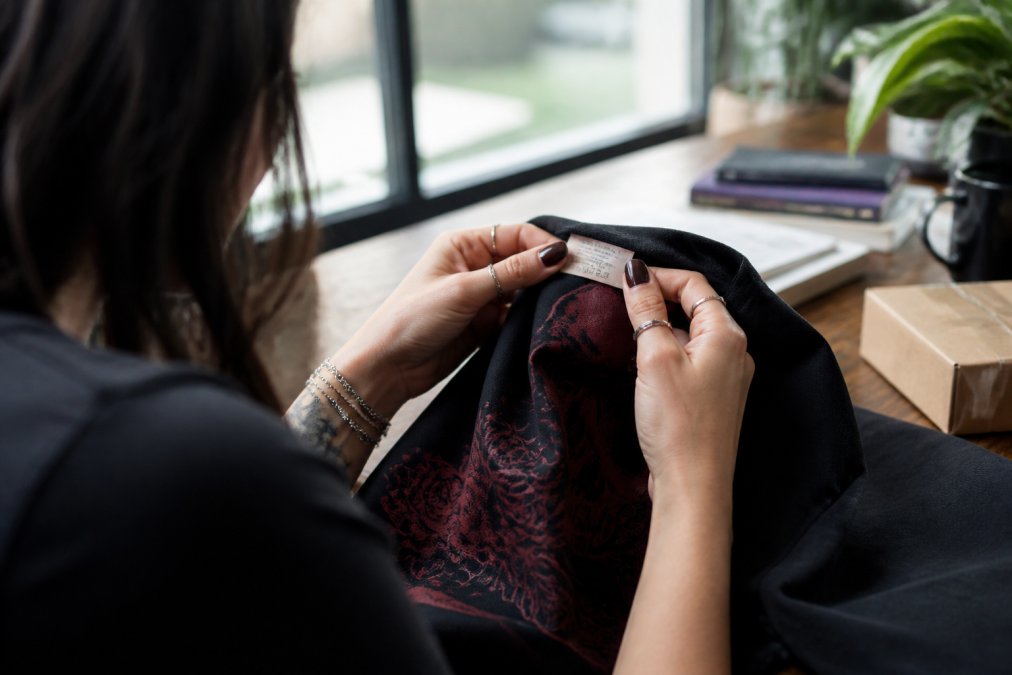
Ethical brands in the bookish aesthetic space prioritize three core pillars: they source materials responsibly, pay workers a living wage, and maintain transparent production practices. This isn't theoretical. When a brand commits to these standards, you're not just buying a shirt, you're supporting a supply chain where people are treated fairly and the environment isn't treated as disposable.
At Hot Takes Designs, we understand that BookTok fans want more than mass-produced basics. You want pieces that reflect your personality and align with your values. That's why our custom-printed apparel is made to order using ultra-soft fabrics and vibrant, long-lasting prints. Every item is cut and sewn individually, which means less waste and more control over quality.
The difference between ethical and greenwashing comes down to specifics. Real ethical brands publish information about their factories, material sourcing, and labor conditions. They don't hide behind vague marketing language. When evaluating any bookish aesthetic brand, look for concrete details: Where are garments made? What certifications do they hold? How do they ensure fair wages?
How to Verify Ethical Fashion Claims and Spot Greenwashing
Greenwashing is everywhere in fashion. A brand slaps "sustainable" on its website and calls it a day. Your job is to separate real commitments from marketing fluff.
Start with certifications. Legitimate ethical brands carry third-party verification like Fair Trade Certified, GOTS (Global Organic Textile Standard), or B Corp certification. These require actual audits and ongoing compliance. If a brand claims to be ethical but has zero certifications, that's a red flag.
Next, investigate their supply chain transparency. Ethical manufacturers publish information about where garments are produced. They name factories, not just countries. They share labor practices and wage data. Many post this information directly on their website or in annual sustainability reports. If you can't find these details after a reasonable search, the brand probably isn't prioritizing transparency.
Ask specific questions before buying. How many hours of labor goes into each piece? What's the minimum wage in that factory? Are workers unionized? Ethical brands answer these questions readily. Non-ethical brands deflect or stay silent.
One practical approach: compare a brand's claims against their actual practices. If they say they're sustainable but use synthetic fabrics with high carbon footprints, or claim fair labor but won't name their factories, something's off. Consistency between messaging and action reveals whether a brand is genuinely committed or just chasing trends.
Sustainable Bookish Clothing: Materials That Matter
The fabric you wear directly impacts both the environment and your comfort. For bookish aesthetic apparel, material choice shapes everything from durability to how the print holds up over time.
Organic cotton is the gold standard for sustainable textiles. It's grown without synthetic pesticides or fertilizers, which means less environmental damage and safer conditions for farmers. When a brand uses organic cotton, they're typically more intentional about their entire supply chain. The Morally Grey Era Lace Trim Bookish Camisole uses a premium 200gsm faux-cotton blend.

The key metric is longevity. A garment made from sustainable materials that falls apart after five washes defeats the purpose. Look for brands that emphasize durability alongside material sourcing. Sublimation printing, the process Hot Takes Designs uses, bonds color directly to fabric fibers, meaning your BookTok designs stay crisp and vibrant through repeated washing and wear.
Slow Fashion Alternatives for Fandom Apparel
Slow fashion is the opposite of fast fashion. Instead of churning out new collections weekly, slow fashion brands produce intentionally, often in limited quantities. For fandom apparel, this approach makes sense: you get unique pieces that reflect niche communities instead of generic designs mass-produced for everyone.
Made-to-Order vs. Mass Production
Made-to-order is the ultimate slow fashion model. Items are produced only after a customer orders them, which eliminates overstock and waste. Hot Takes Designs operates on this principle, every piece is custom-printed, cut, and sewn to order. This approach means longer lead times (typically 2-3 weeks), but it guarantees quality control and minimal waste.
Mass production, by contrast, relies on predicting demand and producing in bulk. Unsold inventory ends up in landfills or discount bins, which is environmentally destructive and economically wasteful. When you buy from a made-to-order brand, you're directly funding production rather than subsidizing overstock.
Morally Grey Era Bodysuit | Dark →
The trade-off is patience. If you need something urgently, made-to-order brands might not work. But for planned purchases, like concert fits or seasonal wardrobe updates, the wait is worth the reduced environmental impact and higher quality control.
Fair Labor and Living Wages
Ethical fandom apparel brands ensure workers earn living wages, not minimum wage. A living wage covers housing, food, healthcare, and basic needs in the region where workers live. This is non-negotiable for slow fashion.
Transparency on wages is rare but essential. Some brands publish wage data; others partner with fair-trade organizations that verify labor practices. When evaluating a brand, look for evidence that workers earn enough to support themselves without a second job.
Working conditions matter equally. Fair labor means reasonable hours, safe environments, and the right to unionize. Ethical brands document these practices. They don't hide behind contractor networks that obscure responsibility.
Ethical Brands Similar to Bookish Aesthetic Shops: A Comparison
When you're looking for ethical brands bookish aesthetic alternatives to mainstream retailers, you have solid options. Hot Takes Designs stands out as the top choice for BookTok fans seeking quality, customization, and ethical production practices.
| Brand | Specialization | Customization | Price Range | Sizing Range | Production Method |
|---|---|---|---|---|---|
| Hot Takes Designs | BookTok & K-Pop fandom apparel | Custom-printed to order | $28-$73 | 2XS-6XL | Made-to-order, sublimation printing |
| Ethical alternative (indie) | Niche aesthetic clothing | Limited customization | $35-$65 | XS-3XL | Small-batch production |
| Ethical alternative (mid-tier) | Sustainable basics | No customization | $40-$80 | XS-2XL | Small-batch production |
Premium Sublimation and Durability
Hot Takes Designs uses professional sublimation printing, which embeds color directly into fabric fibers. This process guarantees vibrant, long-lasting prints that won't crack, peel, or fade after repeated washing. The Morally Grey Era Bodysuit, priced at $34.99, features this premium printing on a high-stretch polyester-spandex blend designed to last through countless wears.
Sublimation is significantly more durable than screen printing or direct-to-garment methods. When you're investing in ethical apparel, durability directly correlates to sustainability, a shirt that lasts five years has a lower environmental impact than one that lasts six months.
Inclusive Sizing and Accessibility
Inclusive sizing isn't just a marketing term at Hot Takes Designs. Our collection spans from 2XS to 6XL across most products, with thoughtful grading that accounts for proportional differences at each size. The Morally Grey Era Lace Trim Bookish Camisole, at $32.00, comes in nine sizes (XS-5XL) with detailed measurements for each.

This matters because many "ethical" brands still exclude larger bodies.
Pricing: What You're Actually Paying For
Hot Takes Designs prices range from $28.26 (flannel nightdress) to $73.28 (bathroom 4-piece set). These prices reflect the actual cost of ethical production: premium fabrics, sublimation printing, proper wages, and quality control.
The Second-Hand and Circular Economy Route
Buying new, even from ethical brands, still requires resources. The circular economy offers another path: second-hand shopping, swaps, and rental.
Care and Longevity: Making Ethical Apparel Last
Ethical apparel only delivers on its promise if it lasts. Proper care is your responsibility as the owner.
Frequently Asked Questions
How can I tell if a bookish apparel shop is ethical?
Check for supply chain transparency: ethical brands disclose where and how items are made, name their manufacturers, and explain their labor practices. Look for certifications (Fair Trade, B Corp), information about fabric sourcing, and transparency about print durability. Avoid vague claims like 'eco-friendly' without specifics. Examine care instructions and material composition, premium sublimation printing on quality fabrics signals longer-lasting pieces. Brands that explain their made-to-order process or grading for inclusive sizing (2XS-6XL) typically invest in ethical practices.
What makes sustainable bookish clothing different from fast fashion alternatives?
Sustainable bookish clothing prioritizes durability, ethical manufacturing, and responsible materials. Unlike fast fashion, these brands use quality fabrics and advanced printing techniques that resist fading and cracking after multiple washes. They often employ made-to-order production to reduce waste, pay fair wages, and offer inclusive sizing. The higher upfront cost reflects better materials, labor practices, and longevity.
Are there sustainable options for graphic tees and fan merchandise?
Yes. Look for brands using sublimation printing (where design is embedded into fibers rather than applied on top) and quality fabrics like combed cotton or faux-cotton blends. Made-to-order models reduce overproduction. Brands offering extended sizes (up to 5XL), transparent labor practices, and detailed care instructions are more likely ethical. Some offer eco-friendly packaging or use recycled fibers. Hot Takes Designs exemplifies this with custom-printed apparel starting at $29-40, ultra-soft fabrics, vibrant long-lasting prints, and inclusive sizing across BookTok and dark romance designs.
What is the difference between slow fashion and fast fashion for fandom apparel?
Slow fashion for fandom apparel prioritizes quality over speed: made-to-order production, ethical labor, durable materials, and timeless designs. Fast fashion churns out cheap pieces quickly, often with poor labor conditions and materials that degrade fast. Slow fashion brands typically offer transparent sourcing, fair wages, and garments designed to last years. For fandom merch, slow fashion means custom designs that reflect niche communities rather than generic graphics, premium printing that survives repeated wear, and sizing graded for real bodies rather than scaled-up templates.